Great Teachers Don't Need More Curriculum. They Need More Options.
Classroom teachers are the most resourceful people in education. Here's what they actually need more of and the resources that make the biggest impact.
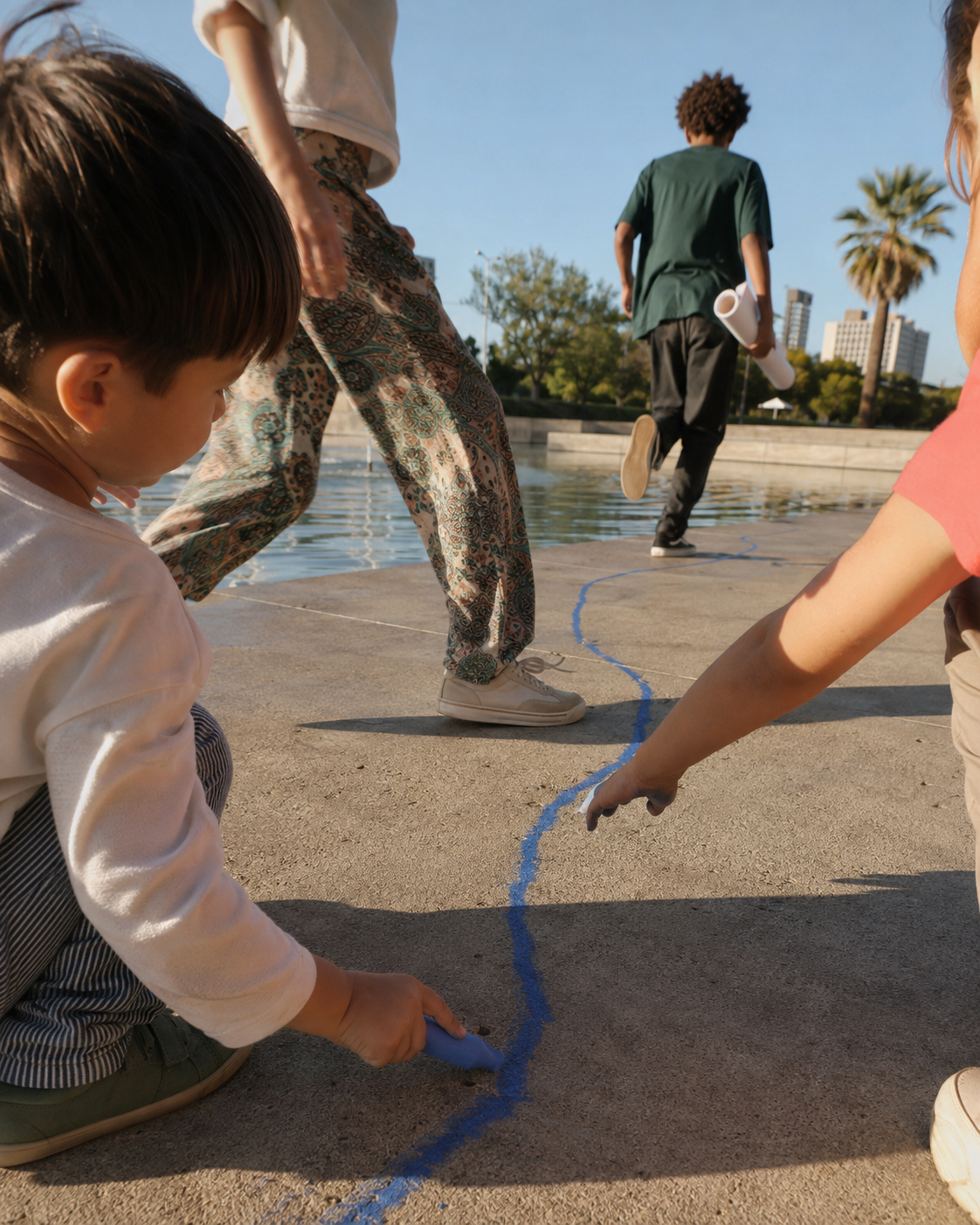
Every school year begins with the same promise.
Fresh lesson plans.
A new group of students.
A carefully selected district curriculum designed to guide learning from the first day of school to the last.
For many teachers, that curriculum provides an important foundation. It aligns to standards, establishes a sequence, and creates consistency across classrooms.
But it isn't designed to teach the twenty-five unique learners sitting in front of you.
That's where the real work begins.
Every Classroom Is Different
No two classrooms are ever the same.
One student races through every assignment and wants more challenge. Another understands the concept but struggles to express it in writing. A third needs to see the lesson demonstrated with manipulatives before it truly makes sense. Several students may be reading below grade level, while others are ready for material well beyond what's in the textbook.
The curriculum hasn't failed.
It's simply doing the job it was designed to do.
Teachers, however, are doing something much bigger. They're adapting that curriculum to meet the needs of real children with different strengths, interests, learning styles, and experiences.
That's where supplemental resources become essential.
The Best Teaching Happens Between the Pages
Ask teachers about the lessons their students remember most, and they'll rarely point to a workbook page.
They'll talk about the science experiment that filled the classroom with excitement.
The historical debate that continued into lunch.
The novel that made reluctant readers ask for one more chapter.
The math game that finally helped a struggling student understand fractions.
Those experiences don't replace the curriculum.
They bring it to life.
Great teachers are constantly searching for resources that help students connect with the material in new ways, whether that's through projects, games, literature, videos, primary source documents, or hands-on activities.
Differentiation Isn't a Bonus Anymore
Today's classrooms are more diverse than ever.
Students arrive with different academic backgrounds, learning preferences, language abilities, and support needs. Some need additional practice before moving forward, while others are ready to dive deeper into a topic that fascinates them.
Meeting those needs with a single textbook is nearly impossible.
That's why teachers spend so much time looking for resources that allow them to teach the same concept in different ways. A differentiated reading passage, a hands-on STEM activity, or an extension project can make the difference between a student simply completing an assignment and truly understanding it.
Differentiation isn't about creating more work.
It's about creating more opportunities for students to succeed.
Teachers Spend More Than Money
When people talk about classroom resources, the conversation usually focuses on budgets.
And budgets matter.
But the resource teachers spend the most isn't always money.
It's time.
Time spent searching for a writing activity that matches the week's lesson.
Time looking for a science experiment that uses materials already in the classroom.
Time scrolling through websites hoping to find something engaging enough for Friday afternoon.
Time is one of a teacher's most valuable resources, yet it's often the one that's overlooked.
Finding quality materials shouldn't require hours of searching after the school day ends.
Great Resources Give Teachers More Time to Teach
The best supplemental materials don't create extra work.
They remove it.
They help teachers differentiate without rewriting an entire lesson. They offer enrichment without requiring hours of planning. They provide additional practice that's engaging instead of repetitive.
Most importantly, they free teachers to spend more time doing what no curriculum can replace: building relationships, asking thoughtful questions, encouraging curiosity, and helping students believe in themselves.
That's where great teaching has always happened.
Every Learner Deserves More Than One Path
One lesson rarely reaches every student in exactly the same way.
Some learners need to see it.
Others need to build it.
Some need to discuss it.
Others need to experience it before everything clicks.
The more tools teachers have available, the more opportunities they have to reach every learner in the room.
That's why educational resources matter.
Not because classrooms need more worksheets.
Because students deserve more ways to discover what makes learning meaningful.
At Node, we believe finding those resources should be simple. Whether you're searching for enrichment activities, differentiated lessons, books, classroom games, project-based learning, hands-on STEM resources, or materials that support a specific learning need, educators deserve one place where discovery feels as personalized as the students they teach.
Because the best classrooms aren't built around a curriculum.
They're built around the learners inside them.