Stop Looking for the Best Curriculum. Start Looking for the Right Fit.
Choosing a homeschool curriculum doesn't have to be overwhelming. This framework helps you find the right fit for your child's learning style and goals.
If you've spent any time in a homeschool Facebook group or talking with other parents, you've probably heard the same question over and over again.
"What's the best curriculum?"
It's usually one of the first questions families ask. It seems like the logical place to start, especially when you're staring at hundreds of options and wondering how anyone ever chooses.
But after homeschooling for years and talking with countless families, I've come to believe it's the wrong question.
Not because curriculum doesn't matter. It absolutely does. But there isn't one program that's best for every child. There never could be.
The best curriculum for your neighbor's child might leave yours frustrated. The program that worked beautifully this year may not fit next year. Children grow, interests change, confidence builds, and learning evolves along with them.
The families who find the right fit don't start by comparing curriculum. They start by understanding the learner.
Start With Your Child, Not the Catalog
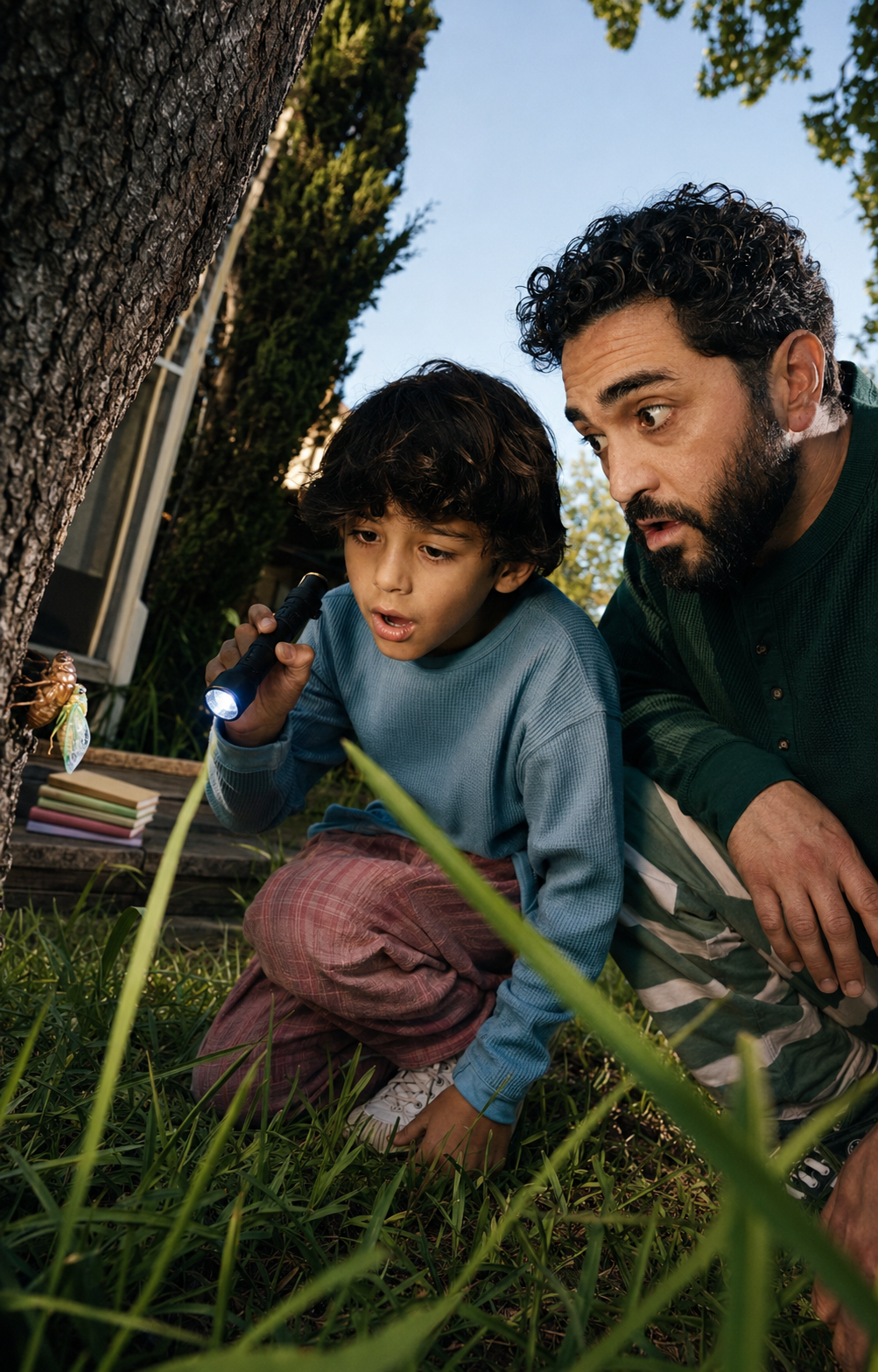
Before you spend hours reading reviews or watching curriculum flip through videos, spend some time simply observing your child.
How do they naturally approach a challenge?
Do they enjoy structure, or do they prefer the freedom to explore?
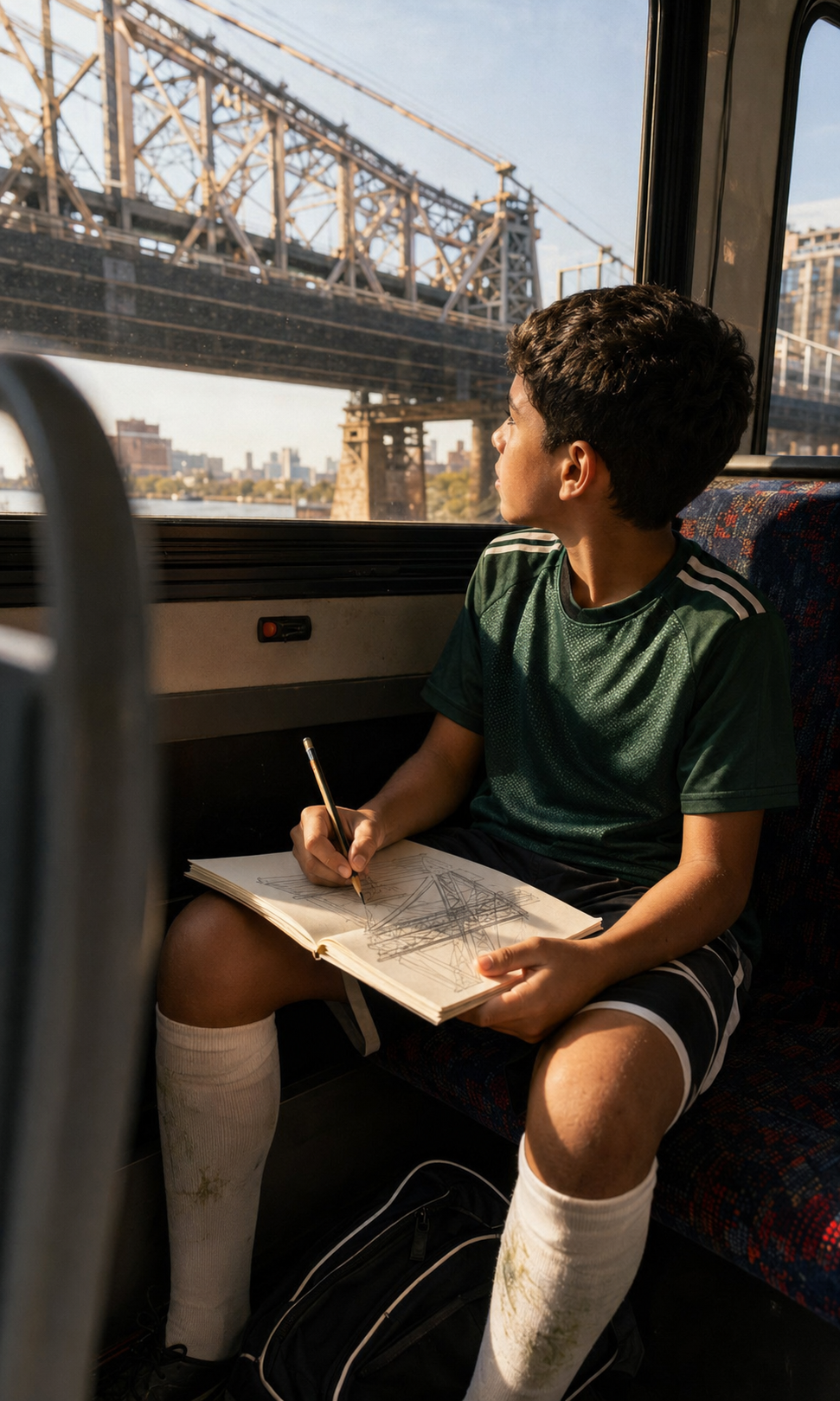
Do they like reading independently, talking ideas through, building something with their hands, or seeing concepts come to life through videos and experiences?
Pay attention to what excites them. Notice where they become frustrated. Those everyday observations will tell you far more than a five star review ever could.
Know What You're Trying to Build
Every family has a different vision for education.
Some are preparing for college. Others are focused on helping a struggling reader gain confidence. Some want more flexibility, while others are looking for greater academic challenge. Many simply want their children to love learning again.
None of those goals are wrong. In fact, they're exactly why there isn't one curriculum that works for everyone.
When you're clear about what success looks like for your family, choosing resources becomes much less overwhelming.
Remember That Curriculum Is Only One Piece
One of the biggest mindset shifts for new homeschool families is realizing that education doesn't have to come from a single box.
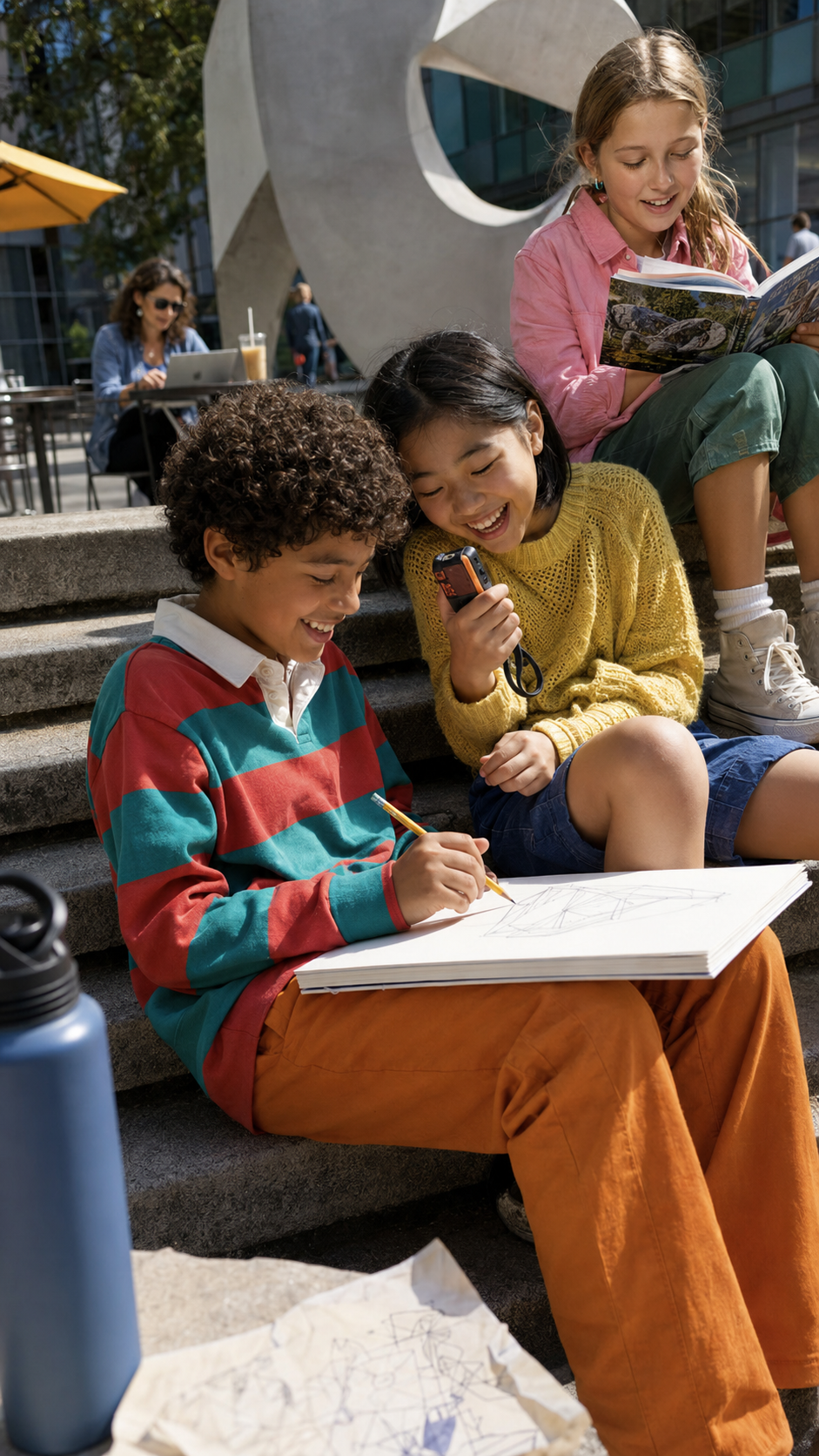
Some of the richest learning happens through great books, meaningful conversations, documentaries, games, museums, nature walks, online classes, tutors, and hands on projects. Curriculum provides a foundation, but it doesn't have to carry the entire weight of your child's education.
In fact, many families discover that the magic happens when they combine resources instead of relying on just one.
Give Yourself Permission to Change
This might be the advice I wish every new homeschool parent could hear.
You are allowed to change your mind.
If something isn't working, you don't have to finish the book just because you bought it. If your child has outgrown a program, it's okay to move on. If you discover a different approach that better fits your learner, that isn't failure. It's growth.
One of the greatest advantages of personalized education is the freedom to adjust as your child changes.
Trust the Child in Front of You
Recommendations are helpful. Curriculum reviews can save time. Experienced homeschool parents have valuable insight.
But at the end of the day, they're talking about their child.
You know yours.
You see the spark when they discover something new. You know which subjects they lose themselves in and which ones leave them discouraged. You know what motivates them and what shuts them down.
Those observations are your greatest guide.
The Best Curriculum Is the One That Fits
One of the most freeing realizations in education is that there isn't one right way to learn.
Some children thrive with open and go workbooks. Others need projects, conversations, experiments, or real world experiences to make ideas stick. Some crave structure. Others flourish with flexibility.
The goal has never been to find the curriculum everyone else recommends.
The goal is to build an education that fits the learner sitting in front of you.
When learning feels personal, children become more confident. They become more curious. And perhaps most importantly, they begin to see learning as something that's made for them, not something they have to fit themselves into.
That's what we're building at Node.
Not a place that tells families what they should use, but a place that helps them discover what fits. Because every learner is different, and their education should be too.