The Rise of the Modern Learner
The modern learner doesn't fit a single mold. Education is changing and the families, teachers, and students driving that shift are worth paying attention to.
For generations, education followed a fairly predictable path.
Students went to school. Teachers taught from a textbook. Learning happened between the first bell and the last. If you wanted to learn something new, you enrolled in a class and waited for someone else to teach it.
That model served millions of students well.
But it's no longer the only model.
Today's learners are growing up in a world where knowledge is everywhere. They can watch an engineer explain rocket science over breakfast, practice a new language on the ride home from school, learn guitar from a musician halfway around the world, or build a business before they're old enough to drive.
Learning hasn't changed.
Access has.
Education No Longer Lives in One Building
Walk through a typical week for a student today, and you'll see something very different than you would have twenty years ago.
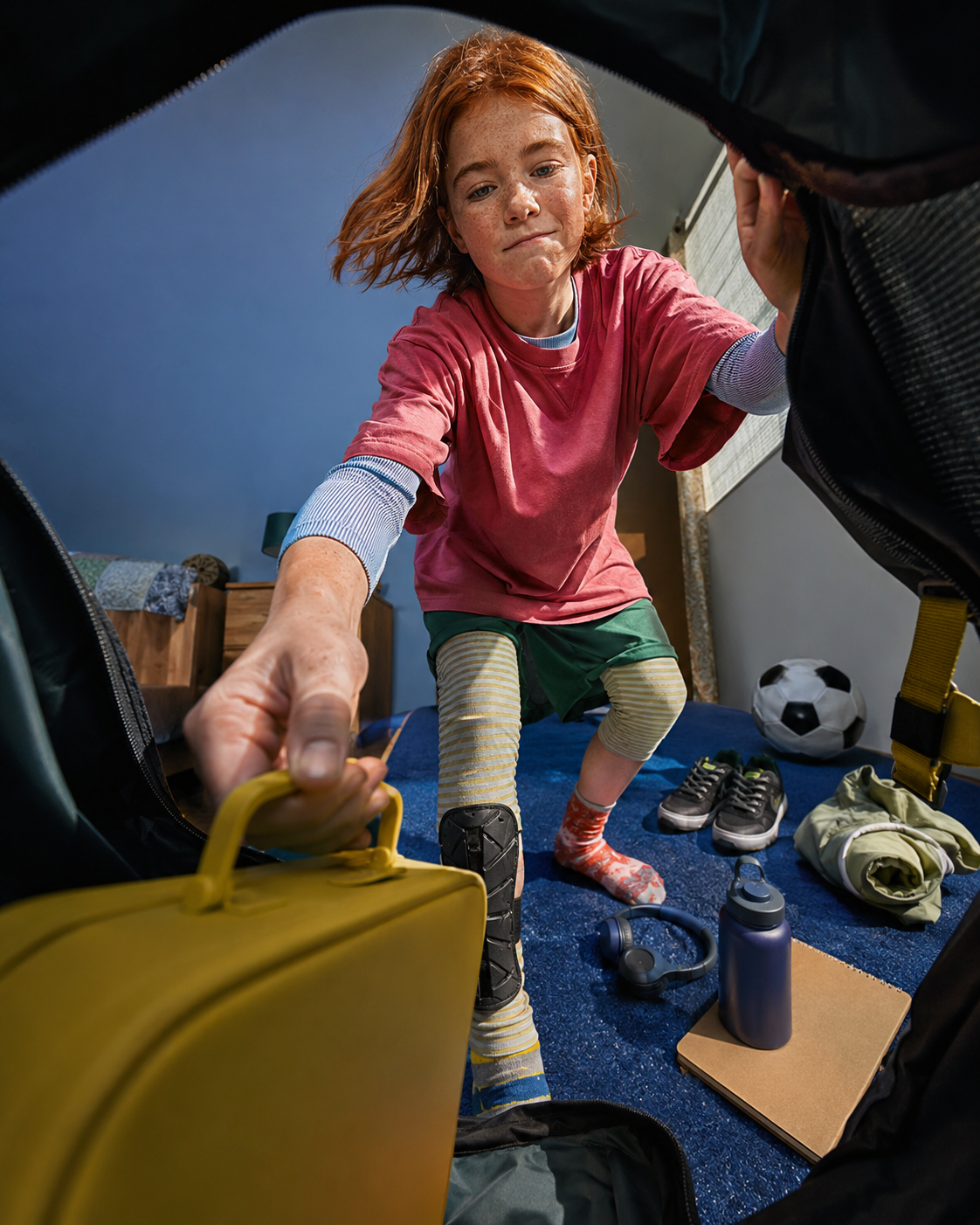
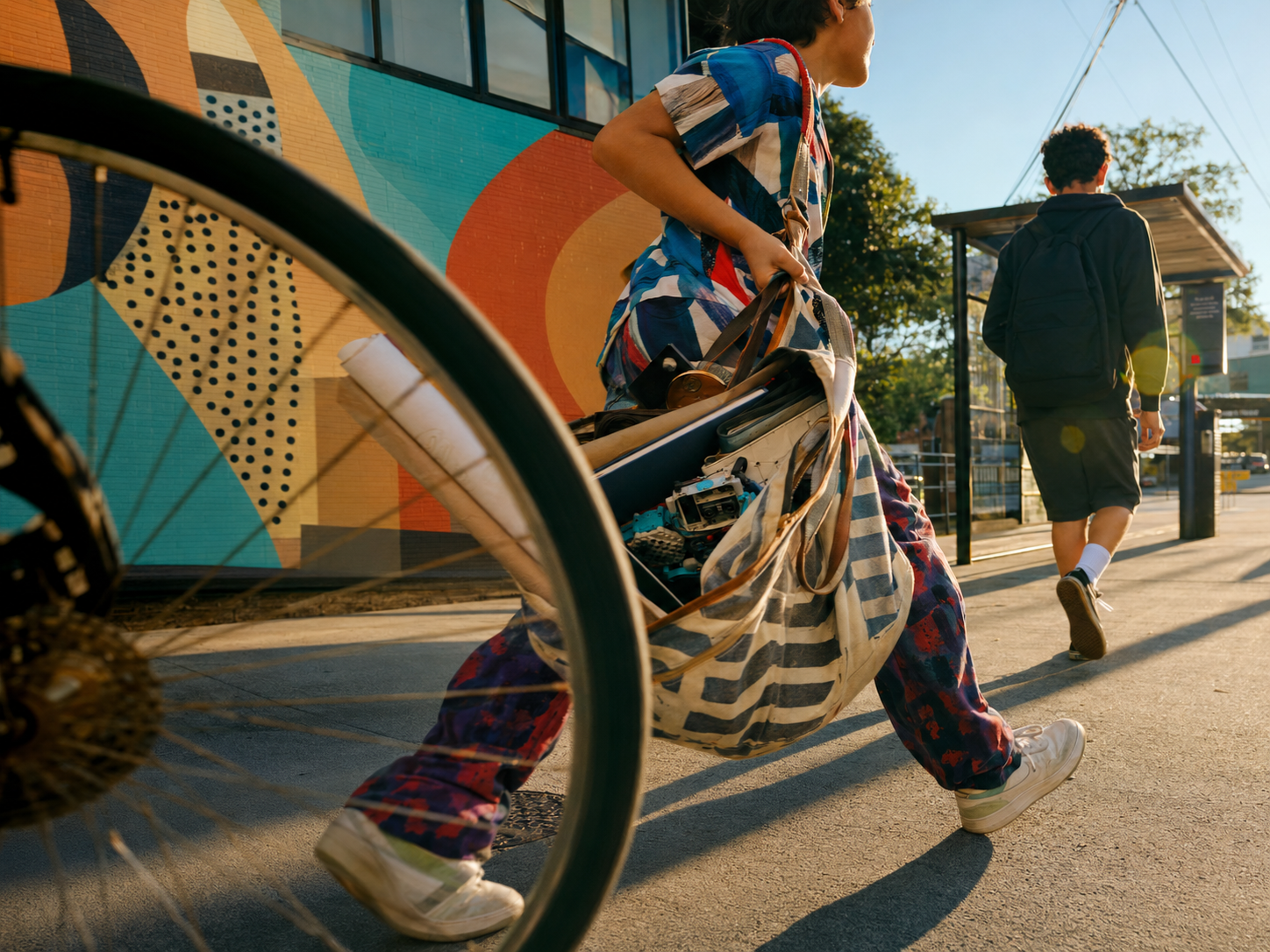
They may spend the morning in a classroom, the afternoon working with a tutor, and the evening learning coding through an online course. They might attend robotics club on Tuesday, piano lessons on Wednesday, baseball practice on Thursday, and volunteer at an animal shelter over the weekend.
Every one of those experiences teaches something valuable.
Some develop academic knowledge.
Others build creativity, leadership, communication, resilience, or problem solving.
Learning isn't happening in one place anymore.
It's happening everywhere.
Every Learner Has a Different Path
One student falls in love with history because of a podcast.
Another discovers engineering after receiving a LEGO set for their birthday.
A third realizes they love writing after joining the school newspaper.
For years, we've organized education around age, grade level, and standardized expectations.
But real learning has never worked that neatly.
Children don't develop their interests on a schedule, and they certainly don't become curious because a calendar says it's time.
They become curious when something captures their imagination.
The modern learner doesn't fit inside a single path.
They build one.
Technology Didn't Replace Teachers. It Expanded Learning
There's a common fear that technology is replacing education.
The reality is much more interesting.
Technology hasn't replaced great teachers.
It has expanded access to great learning.
Students can now hear from historians, scientists, artists, authors, entrepreneurs, and educators they may never have encountered inside a traditional classroom. They can revisit difficult concepts, explore subjects that aren't offered locally, and pursue interests that simply weren't possible a generation ago.
The best technology doesn't replace human connection.
It creates more opportunities for it.
Curiosity Is Becoming the Most Valuable Skill
Facts have never been easier to find.
Knowing how to ask good questions has never been more important.
The students who will thrive in the future won't simply be the ones who memorize the most information. They'll be the ones who know how to think critically, solve problems, evaluate information, adapt to change, and continue learning long after a course has ended.
In other words, they'll know how to learn.
That may be the most important skill any education can provide.
Education Is Becoming More Personal
Perhaps the biggest shift of all is that learning is becoming increasingly personalized.
Students have more choices than ever before.
Traditional schools.
Private schools.
Hybrid programs.
Microschools.
Tutors.
Online academies.
Educational travel.
Project-based learning.
Books.
Educational games.
Hands-on experiences.
No single path is right for every learner because no two learners are exactly alike.
That's not a challenge.
It's an opportunity.
The Future Belongs to Learners
The conversation about education is slowly changing.
Instead of asking, "Which school is best?"
Families are beginning to ask, "What helps my child learn best?"
That's a far more powerful question.
It recognizes that education isn't defined by a building or a curriculum. It's defined by the experiences, relationships, opportunities, and resources that help a learner grow.
The modern learner isn't replacing traditional education.
They're expanding our understanding of what education can be.
At Node, we believe learning should be as unique as the person experiencing it. Whether you're looking for books, curriculum, tutors, classes, educational products, enrichment opportunities, or something entirely new, discovering the right resource should begin with the learner, not the label.
Because the future of education isn't about choosing one path.
It's about creating the one that's right for you.