Rhetoric, Embodiment, and the Ethos of Surveillance: Student Bodies in the American High School
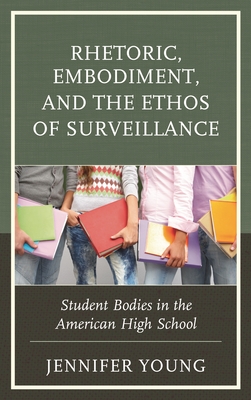
Rhetoric, Embodiment, and the Ethos of Surveillance: Student Bodies in the American High School investigates the rhetorical tension between controlling student bodies and educating student minds. The book is a rhetorical analysis of the policies and procedures that govern life in contemporary American high schools; it also discusses the rhetorical effects of high-security, high-surveillance school buildings. It uncovers various metaphors that emerge from a close reading of the system, such as students' claims that "school is a prison." Jennifer Young concludes that many of the policies governing contemporary American high schools have come to rhetorically operate as a "discourse of default" that works against the highest aims of education, and she offers a method of effecting a cultural shift for going forward. Specifically, Young calls for an explicit application of intentional rhetoric to match discourse to audience and suggests that the development of empathy as a core value within the high school might be more effective in keeping students safe than the architectural and technological approaches we currently employ.

$123.38
OVERVIEW
Rhetoric, Embodiment, and the Ethos of Surveillance: Student Bodies in the American High School investigates the rhetorical tension between controlling student bodies and educating student minds. The book is a rhetorical analysis of the policies and procedures that govern life in contemporary American high schools; it also discusses the rhetorical effects of high-security, high-surveillance school buildings. It uncovers various metaphors that emerge from a close reading of the system, such as students' claims that "school is a prison." Jennifer Young concludes that many of the policies governing contemporary American high schools have come to rhetorically operate as a "discourse of default" that works against the highest aims of education, and she offers a method of effecting a cultural shift for going forward. Specifically, Young calls for an explicit application of intentional rhetoric to match discourse to audience and suggests that the development of empathy as a core value within the high school might be more effective in keeping students safe than the architectural and technological approaches we currently employ.
Resource type
- books
REVIEWS
No product reviews yet.